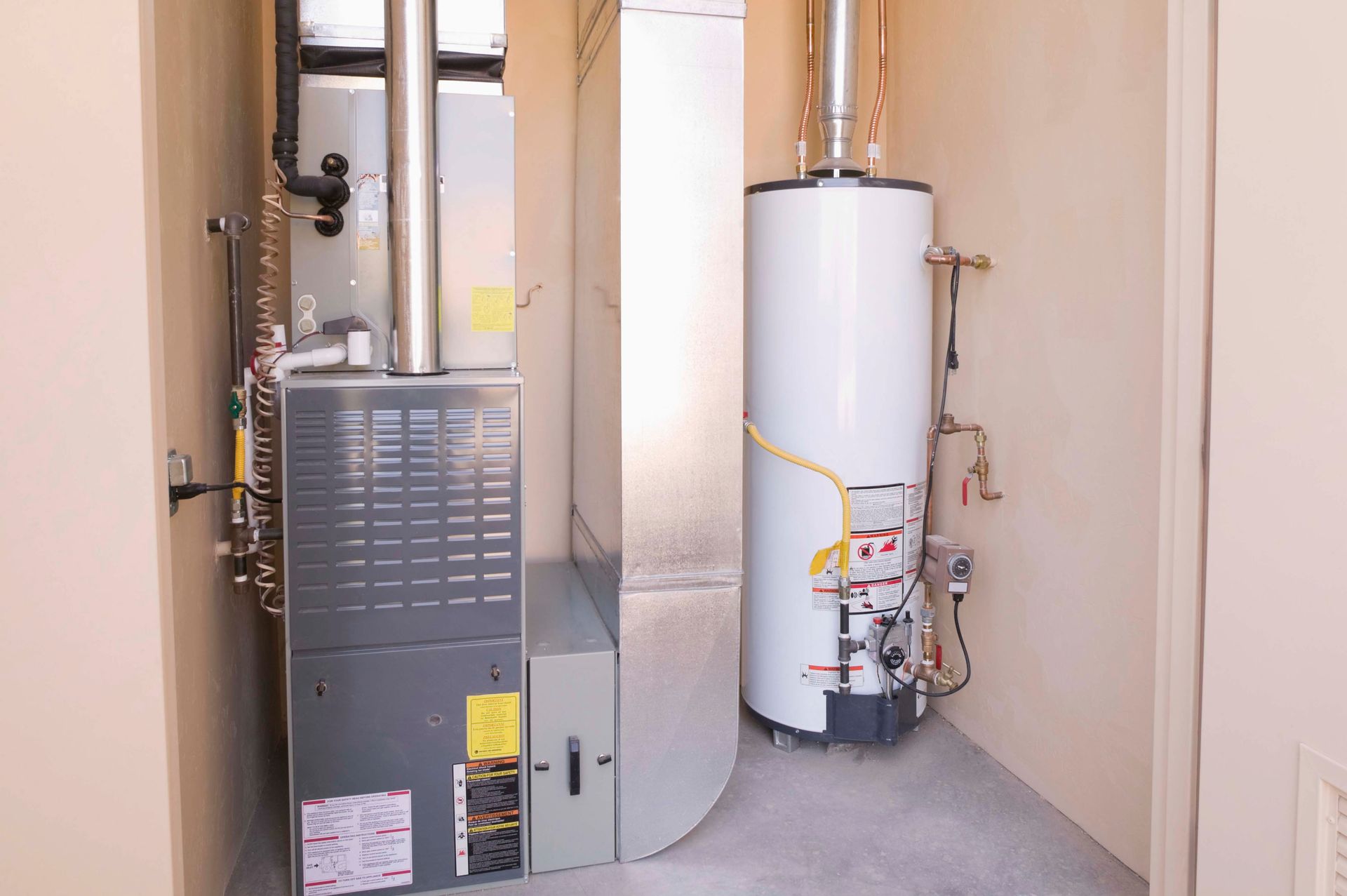
In recent years, the steadily increasing cost of household utilities has driven property owners to seek more efficient solutions for their primary residential systems. Among various home appliances, water heating units have been repeatedly identified as one of the largest single contributors to monthly energy consumption, often accounting for nearly twenty percent of a home's total energy expenditures. Upgrading to a modern, energy-efficient water heater not only leads to significant long-term financial savings but also aligns with the rising environmental consciousness aimed at reducing personal carbon footprints. By investing in these innovative heating technologies, consumers enjoy the dual benefit of immediate economic relief and meaningful environmental responsibility. Professional plumbing services play an indispensable role throughout this process, ensuring that every equipment upgrade is conducted safely, efficiently, and in full compliance with local building codes.
Understanding Energy-Efficient Water Heaters
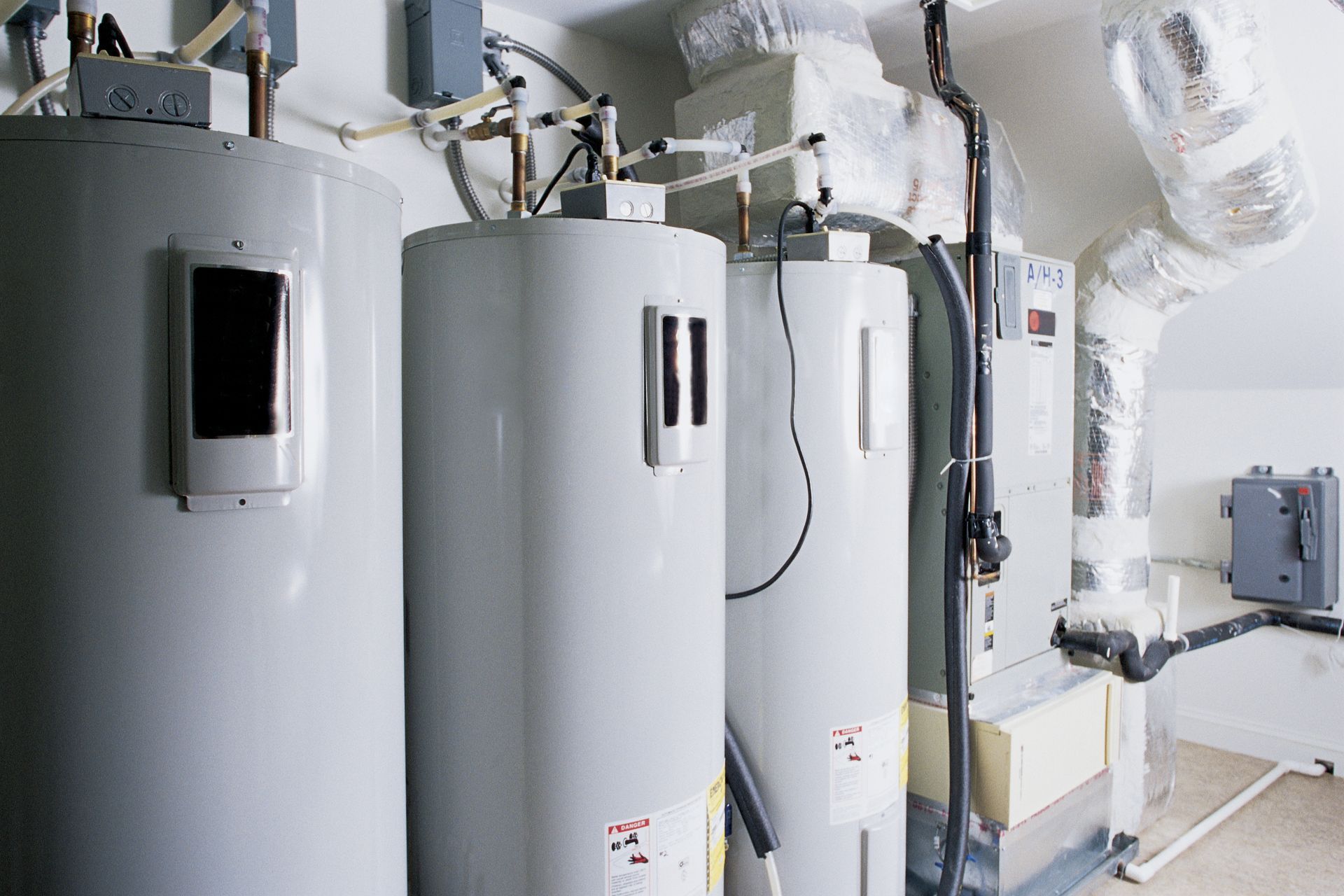
Energy-efficient water heaters come in several distinct configurations, each offering unique operational advantages depending on household demand. Tankless water heaters, for instance, are widely recognized for their ability to heat water instantly on demand, eliminating the continuous standby energy losses inherently associated with traditional storage tanks. According to Service Titan, tankless water heaters can be between 8% and 34% more energy-efficient than traditional storage heaters, depending on the amount of hot water the homeowner uses.
Heat pump water heaters, often called hybrid systems, transfer ambient heat from the surrounding air directly into the water storage tank, drastically reducing overall electricity consumption compared to standard heating elements. Additionally, solar-powered systems utilize renewable thermal energy to deliver unmatched ecological benefits.
To help consumers navigate these choices, manufacturers utilize standard efficiency metrics like the Uniform Energy Factor. Higher ratings indicate superior energy conversion and reduced operating costs. Understanding these efficiency ratings allows property owners to select units that align with their environmental goals and budget constraints.
The decision to invest in an energy-efficient water heater yields broad financial and lifestyle rewards that extend far beyond simple utility reductions. Modern heating units are engineered with advanced smart technology, including programmable temperature controls, automated leak detection shutoff valves, and Wi-Fi connectivity. These digital features allow residents to monitor energy usage remotely, schedule heating cycles around off-peak electricity hours, and receive instant maintenance alerts directly on their mobile devices.
Over the system's operational lifespan, the steady reduction in monthly utility bills offsets the initial equipment acquisition and installation costs. Furthermore, consistent, on-demand hot water delivery enhances daily comfort, while decreased energy consumption reduces household greenhouse gas emissions.
While the initial price tag for a high-efficiency water heater can be higher than that of a standard entry-level unit, evaluating the expenditure through a long-term lens reveals exceptional economic value. Traditional water heaters continuously burn fuel or consume electricity to keep forty or fifty gallons of water hot all day, regardless of household demand. High-efficiency units eliminate or minimize this wasteful standby cycle. Over a typical ten to fifteen-year service life, the cumulative energy savings frequently amount to thousands of dollars. When combined with manufacturer warranties, reduced repair frequencies, and extended operational lifespans, the overall return on investment easily validates the higher initial outlay.
Key Factors to Consider When Selecting an Upgrade
Selecting the ideal replacement water heater requires a careful evaluation of your property's spatial layout, daily water demand, and existing utility infrastructure. A large family with simultaneous hot water needs across multiple bathrooms requires a system with a high peak-hour flow rate or a larger hybrid storage capacity. Conversely, smaller households can maximize space and energy savings with a compact tankless unit.
Property owners must also consider available energy sources. Homes equipped with natural gas connections may find gas-fired tankless units exceptionally cost-effective, whereas all-electric homes might gain the greatest efficiency from an advanced heat pump water heater. Evaluating these logistical factors ensures the chosen equipment operates reliably without underperforming during peak demand.
Regional climate conditions exert a noticeable influence on the overall performance of specific water heater designs. Heat pump models operate with maximum efficiency in warmer regions where ambient basement or garage air remains consistently warm. In contrast, tankless systems perform reliably across variable climates, though winter groundwater temperatures may require units with higher heating capacities.
Evaluating manufacturer warranties is equally essential when comparing models. Premier energy-efficient systems often include extended ten-to twelve-year tank and component warranties, reflecting superior build quality. Selecting a durable model backed by strong warranty coverage protects your long-term investment and ensures worry-free operation year after year.
The Vital Role of Professional Plumbing Services
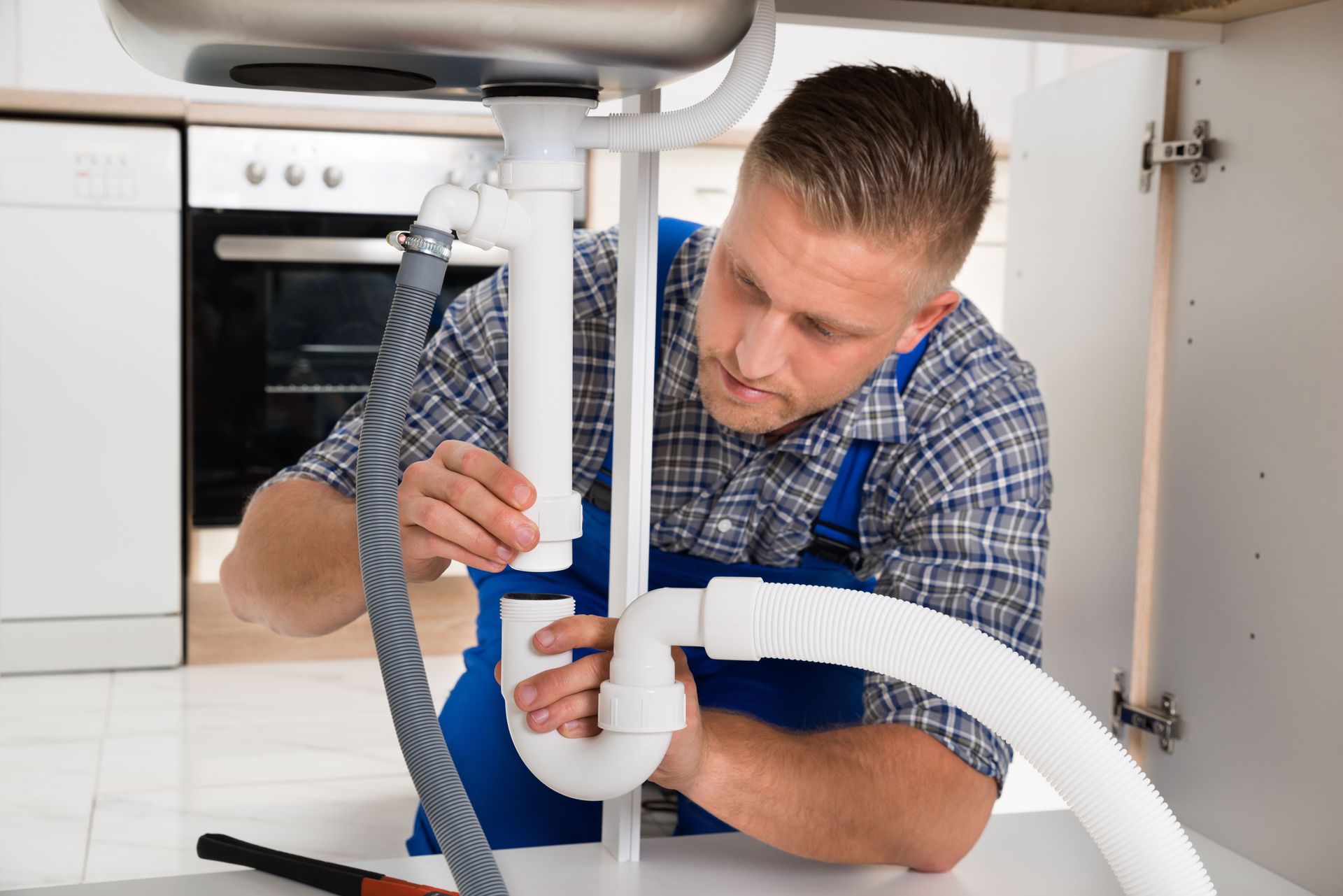
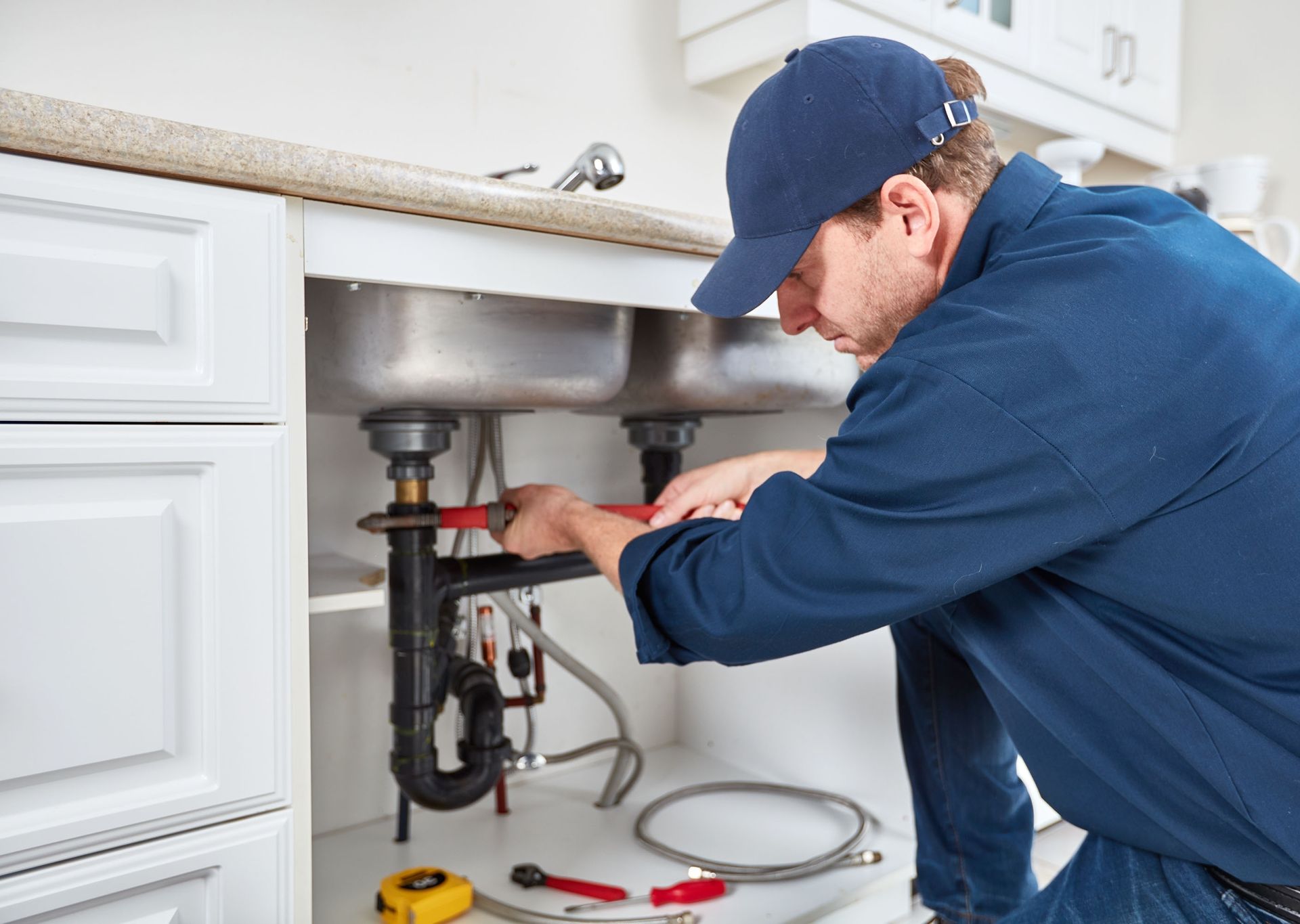
Navigating the technical complexities of an appliance upgrade requires the specialized knowledge provided by licensed plumbing services. Qualified technicians begin by conducting a thorough audit of your home's current plumbing architecture, gas line capacity, electrical panel load, and venting configurations. Installing a high-efficiency system often requires upgrading existing gas supply lines or adding dedicated electrical circuits to handle specialized power draws. Professional plumbers evaluate these structural parameters to recommend properly sized units, preventing property owners from purchasing underpowered or incompatible equipment. Furthermore, expert technicians handle necessary municipal permits, ensuring full compliance with local building codes and safety regulations.
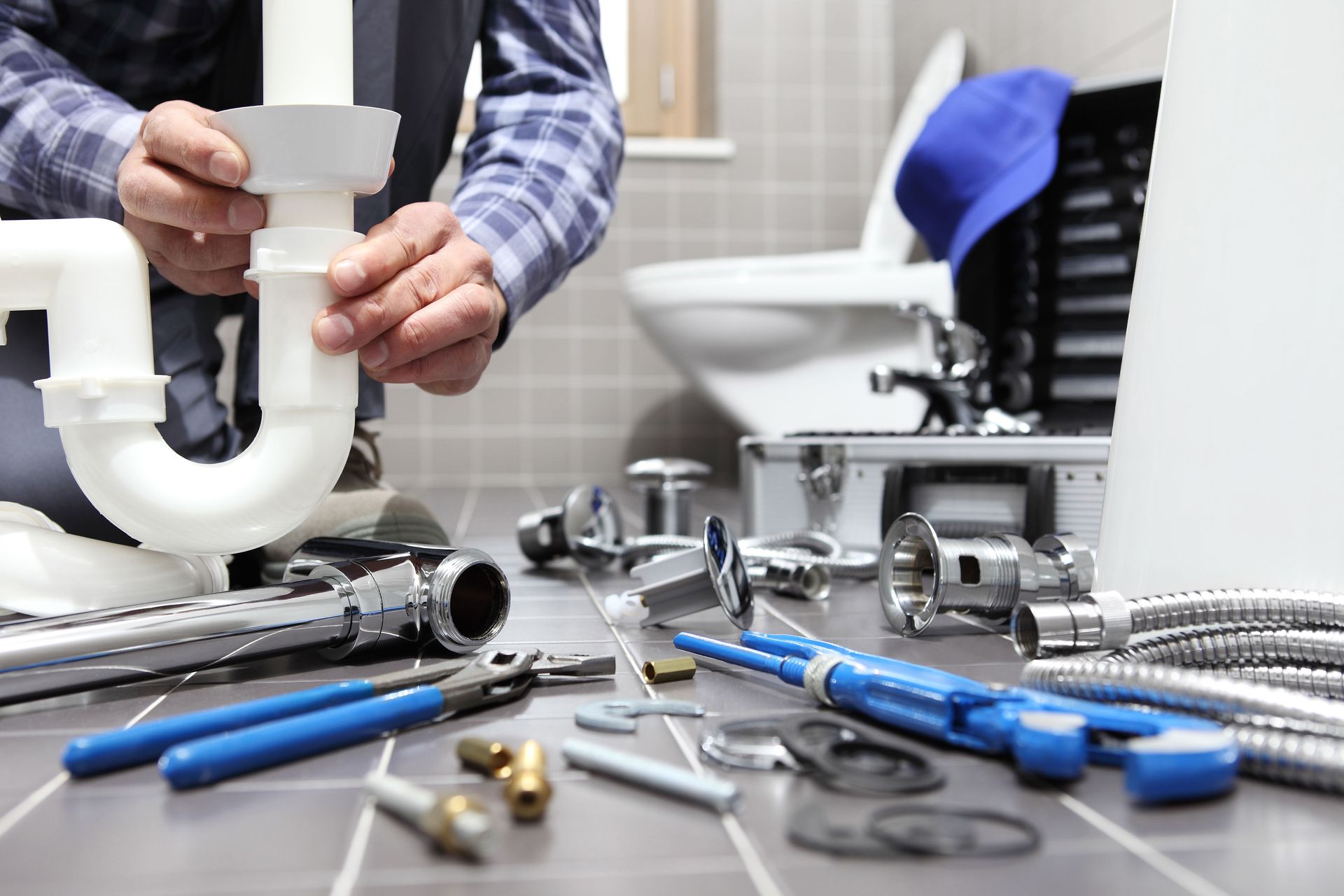
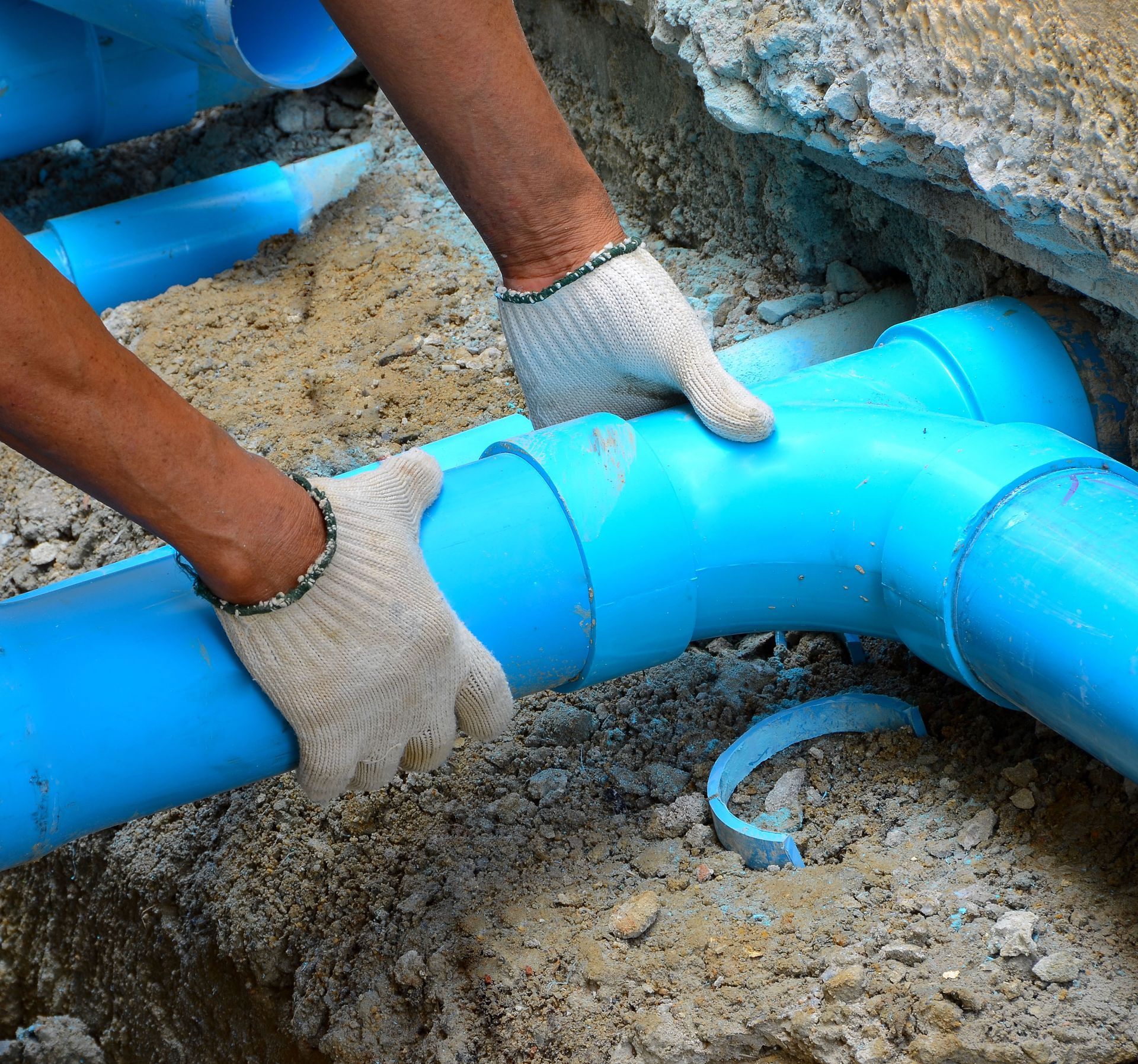
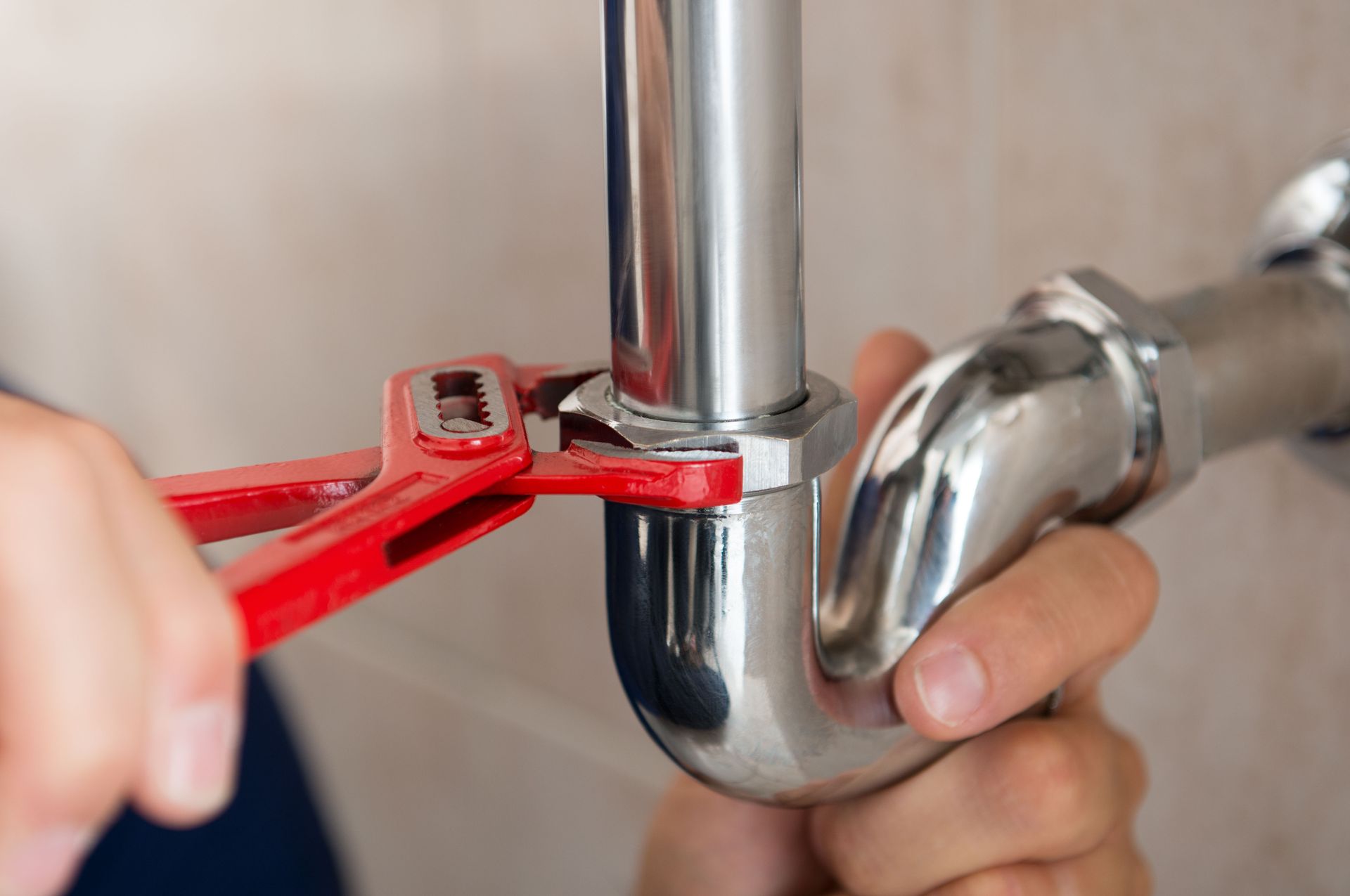
Transitioning from a traditional storage tank to an advanced high-efficiency model frequently introduces intricate mechanical and structural challenges. Retrofitting a tankless unit, for example, demands precise wall mounting, complex direct-vent PVC piping execution, and meticulous water line modifications. Expert plumbing services bring the specialized tools, technical training, and hands-on experience required to resolve these installation hurdles seamlessly. Professional installers ensure that gas connections are completely airtight, electrical wiring meets strict safety codes, and condensation drainage lines are properly routed. Entrusting the installation to certified professionals guarantees that your new system operates at peak factory efficiency from the moment it is powered on.
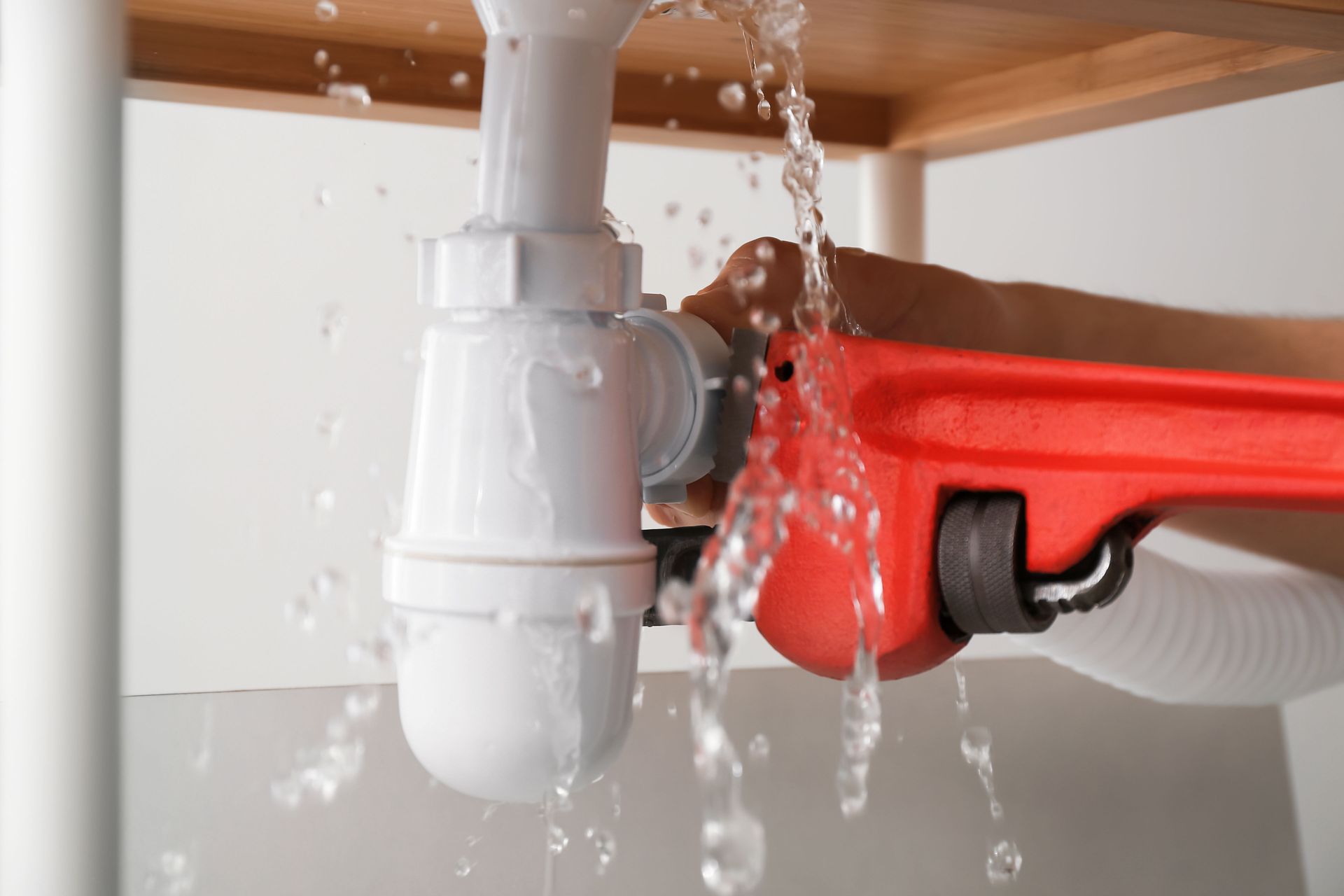
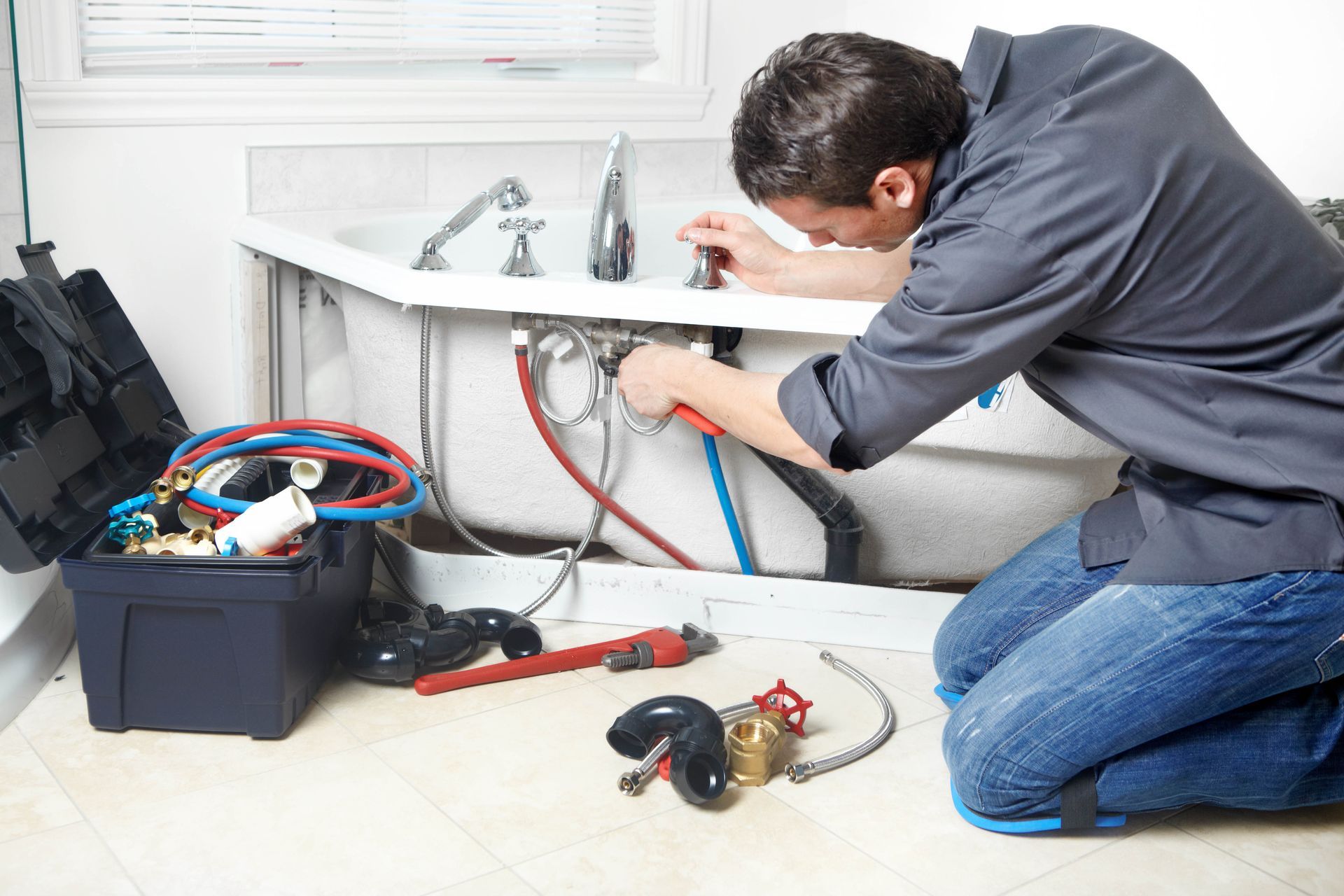
To preserve peak operational efficiency and maximize equipment longevity, energy-efficient water heaters require periodic preventative maintenance. Comprehensive plumbing services include scheduled tune-ups, such as flushing sediment accumulation from storage tanks, descaling internal heat exchangers in tankless systems, and inspecting protective anode rods. Routine maintenance prevents mineral buildup that can otherwise degrade heating efficiency and cause premature component failure. Should an unexpected mechanical issue arise, having an established relationship with a reliable plumbing contractor ensures prompt emergency repair response, protecting your home against water damage and restoring hot water service with minimal disruption.
The service provided by professional plumbing contractors extends beyond physical tools and mechanical installations. Dedicated technicians take the time to educate property owners on the proper operation, maintenance schedules, and digital features of their new heating systems. They assist with programming smart thermostats, explaining diagnostic error codes, and setting optimal temperature levels to prevent scalding while maximizing energy savings. This comprehensive customer support empowers homeowners to operate their upgraded appliances with complete confidence, ensuring they derive maximum comfort, financial savings, and environmental performance from their investment over its entire service life.
Ultimately, transitioning to an energy-efficient water heater represents a forward-thinking investment in your property's value, comfort, and sustainability. Combining cutting-edge heating technology with the specialized expertise of professional plumbing services guarantees a smooth installation and reliable long-term performance. Reduced monthly utility expenses, minimal maintenance requirements, and peace of mind from extended warranties ensure that your upgraded system delivers substantial financial returns year after year. Simultaneously, decreasing your household's energy footprint actively supports broader environmental conservation efforts. When you are ready to modernize your home with an advanced, cost-effective water heating system, rely on the certified professionals at Pike Plumbing.
Share On: